


Peripheral Arterial Disease (PAD) affects millions of people in the United States, yet many patients remain undiagnosed until symptoms become severe. Because podiatrists routinely evaluate the lower extremities and often see patients more frequently than other specialists, they are uniquely positioned to identify early warning signs of vascular compromise and help prevent progression to chronic limb-threatening ischemia (CLTI).
Early recognition can change outcomes. It can improve wound healing timelines, reduce hospitalizations, and most importantly, help preserve limbs.
Why Early PAD Detection Matters
PAD occurs when narrowed arteries reduce blood flow to the legs and feet. When circulation decreases, tissues receive less oxygen and nutrients, making even small injuries harder to heal. Over time, this can lead to:
- Delayed wound healing
- Walking pain
- Rest pain
- Infection
- Tissue loss
- Amputation risk
Many patients do not recognize early symptoms—or assume they are simply part of aging. That makes clinical screening critical.
Because podiatrists frequently evaluate patients with diabetes, neuropathy, nail disorders, wounds, and gait issues, they often become the first clinician to identify vascular concerns.
What Early PAD Looks Like in the Clinic

Early PAD does not always present dramatically. Instead, subtle clinical findings often appear first:
Common early signs podiatrists may observe
- diminished pedal pulses
- cool skin temperature
- delayed capillary refill
- dependent rubor
- hair loss on toes or dorsum of foot
- thickened nails or slowed nail growth
- non-healing minor wounds
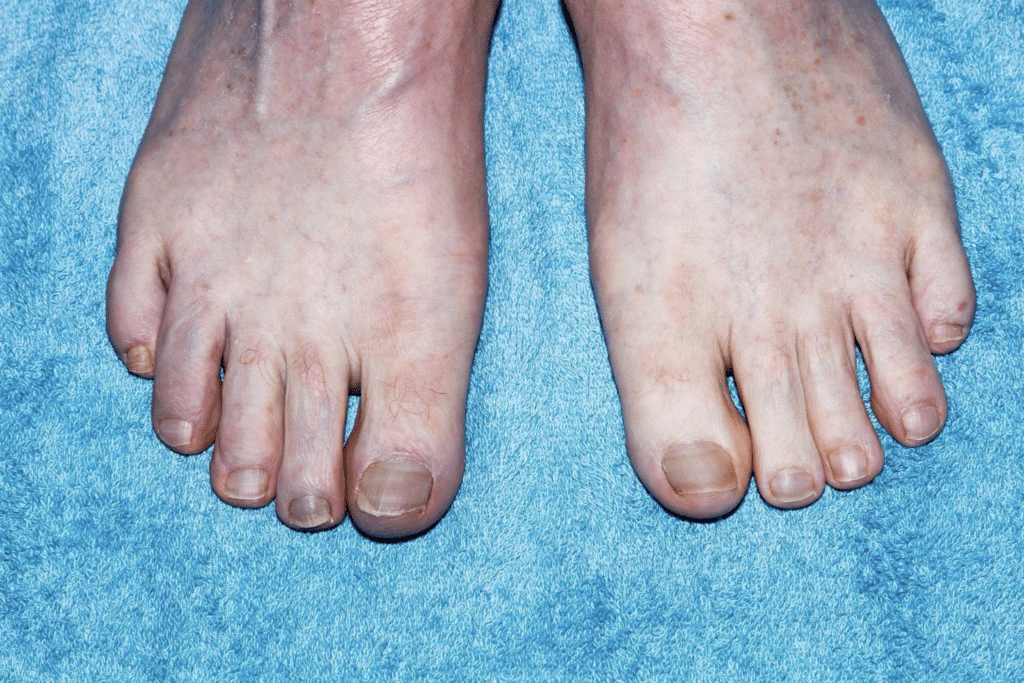
Patients may also report:
- leg fatigue when walking
- calf cramping (intermittent claudication)
- slower walking speed
- reduced activity tolerance
Recognizing these patterns early allows podiatrists to initiate vascular referral pathways before disease progression.
The Foot Exam as a Vascular Screening Opportunity
Routine podiatric visits create a powerful opportunity for early PAD detection. Even a standard lower-extremity exam can include:
- pedal pulse palpation
- skin inspection
- temperature comparison
- wound assessment
- functional walking history
When combined with risk-factor awareness, these steps become a frontline vascular screening tool.
Patients at highest PAD risk
Podiatrists should maintain heightened suspicion in patients with:
- diabetes
- smoking history
- chronic kidney disease
- hypertension
- hyperlipidemia
- advanced age
- prior cardiovascular disease
These individuals benefit most from early vascular assessment and referral.
Diagnostic Tools Supporting Early Identification
When PAD is suspected, podiatrists can help initiate appropriate testing such as:
- Ankle-Brachial Index (ABI)
- Toe-Brachial Index (TBI)
- Doppler waveform analysis
- Segmental pressure testing
These tools help determine whether arterial disease is present and guide referral urgency.
Even when performed outside the podiatry clinic, recognizing when testing is needed is a critical step in coordinated care.
Collaboration Is Essential in PAD Care
PAD management is multidisciplinary. Podiatrists play a central role in connecting patients with:
- vascular specialists
- primary care providers
- wound care teams
- endocrinologists
- cardiologists
This coordination ensures that patients receive timely evaluation for revascularization when appropriate and access to conservative therapies when surgery is not an option.
Early referral can significantly improve outcomes and reduce the likelihood of limb-threatening complications.
The Role of Podiatrists in Wound Prevention and Monitoring
Podiatrists are often the first clinicians to evaluate foot wounds—and sometimes the only clinicians regularly monitoring them.
Because PAD slows healing, identifying vascular insufficiency early helps determine whether wounds require:
- vascular imaging
- perfusion support strategies
- offloading adjustments
- advanced wound care planning
Recognizing circulation limitations early prevents delays in treatment decisions.
Supporting Circulation Between Visits
In addition to referral and monitoring, podiatrists help guide patients toward therapies that support circulation as part of a broader care plan.
For patients living with PAD—especially those who are not candidates for revascularization or are awaiting intervention—noninvasive adjunct therapies may help support lower-extremity circulation at home between visits.
One example is ARTAIRA® arterial pneumatic compression therapy, which is designed to support circulation in patients with PAD as part of a home-based treatment routine. As an adjunct therapy, ARTAIRA may help clinicians extend circulation support beyond the clinic setting, particularly for patients with limited revascularization options or those requiring additional support between vascular evaluations.
Educating patients about movement, compression selection when appropriate, footwear, and vascular symptom awareness plays an important role in long-term limb preservation.
Why Podiatrists Are Critical to Limb Preservation Teams
Podiatrists are uniquely positioned at the intersection of:
- wound care
- biomechanics
- diabetic foot management
- vascular screening
Their ability to identify early circulation changes makes them essential members of limb preservation programs.
By recognizing early PAD signs, initiating testing pathways, and coordinating multidisciplinary care, podiatrists help shift treatment from reactive to preventive—improving both patient outcomes and quality of life.
Early detection starts at the foot exam, and podiatrists are leading the way.
References
American College of Cardiology (ACC) / American Heart Association (AHA).
2024 Guideline for the Management of Lower Extremity Peripheral Artery Disease.
American College of Cardiology.
Peripheral Matters: Putting the 2024 PAD Guideline Into Practice.
Society for Vascular Surgery (SVS).
Clinical Practice Guidelines on the Management of Chronic Limb-Threatening Ischemia.
Hirsch AT, et al.
ACC/AHA Guidelines for the Management of Patients With Peripheral Arterial Disease.
Norgren L, et al.
Inter-Society Consensus for the Management of Peripheral Arterial Disease (TASC II).