

Understanding what your symptoms may be telling you
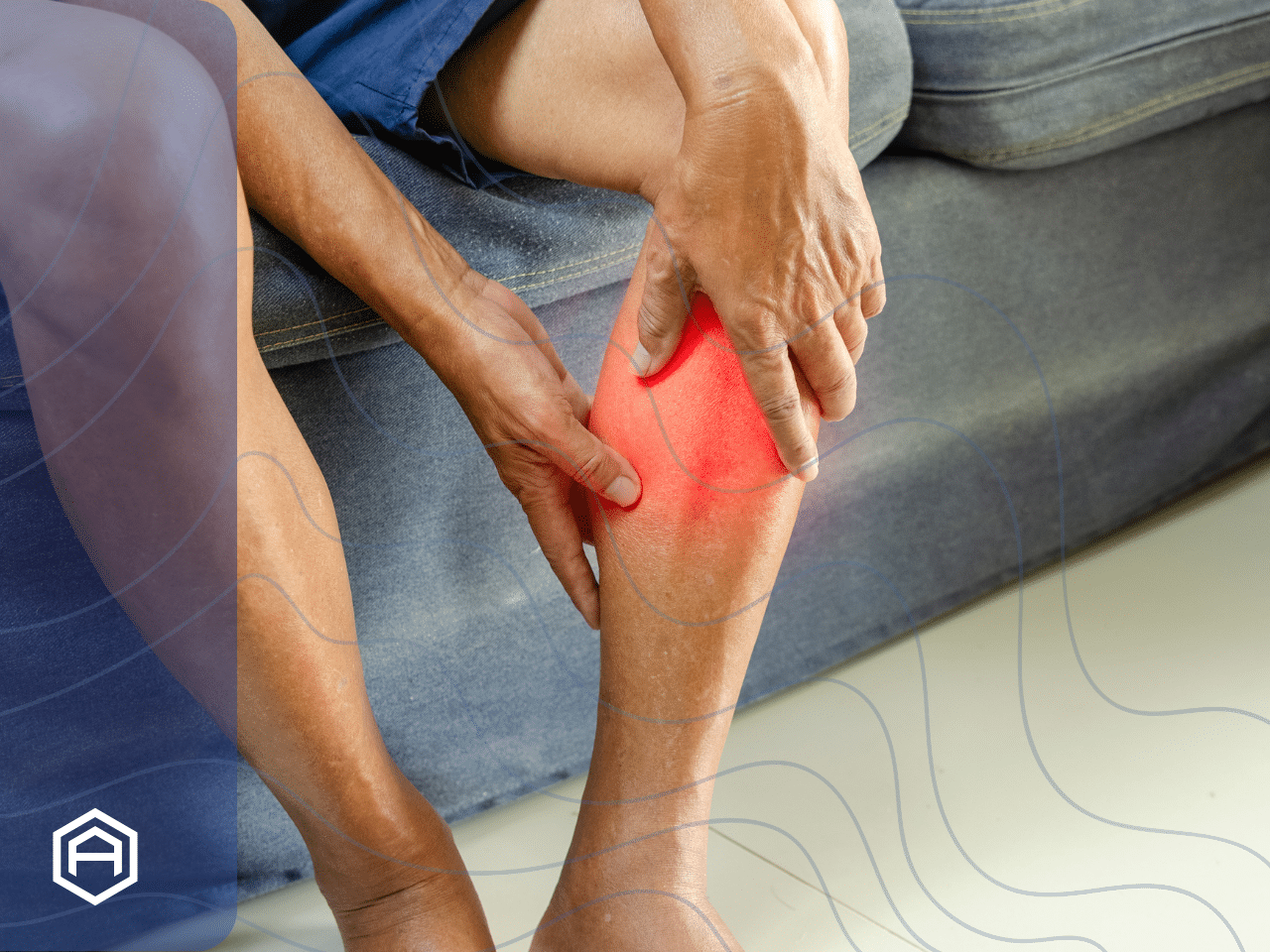
Leg pain is common—and while circulation problems are one possible cause, they are not the only explanation. Discomfort in the legs can come from muscles, joints, nerves, or vascular conditions. Understanding the type of pain, when it occurs, and what improves or worsens it can help determine whether circulation may be involved.
In many cases, recognizing early warning signs makes it easier to seek the right care sooner.
When Leg Pain May Be Circulation-Related
Circulatory leg pain typically happens when blood or lymphatic flow is reduced or impaired. This can affect how oxygen and nutrients reach tissues and how fluid moves through the body.
Conditions that may contribute to circulation-related leg pain include:
- Peripheral Arterial Disease (PAD)
- Chronic Venous Insufficiency (CVI)
- Lymphedema
Each affects circulation differently—and the symptoms often feel different as a result.
Signs the Pain May Be Arterial (Blood Flow Into the Legs)
Pain related to arterial circulation often appears during activity and improves with rest. Some people describe it as cramping, tightness, or fatigue in the calves, thighs, or buttocks while walking.
Possible signs include:
- Pain that starts with walking and improves after stopping
- Cold feet or legs
- Slower healing wounds on the feet or toes
- Changes in skin color
- Reduced hair growth on the lower legs
These symptoms may indicate reduced blood flow reaching the muscles.
Signs the Pain May Be Venous (Blood Flow Returning From the Legs)
Venous circulation problems affect how blood returns from the legs back to the heart. Pain related to venous conditions often feels different from arterial pain.
Common features include:
- Aching or heaviness in the legs
- Symptoms that worsen after long periods of standing or sitting
- Swelling in the lower legs or ankles
- Visible veins or skin changes near the ankles
- Symptoms that improve with elevation
Venous-related discomfort often increases later in the day.
Signs the Pain May Be Related to Lymphatic Flow
When lymphatic fluid does not move efficiently through the body, swelling and pressure can develop in affected areas.
Symptoms may include:
- A feeling of fullness or tightness
- Visible swelling
- Reduced flexibility in the affected limb
- Skin firmness or thickening over time
Pain from lymphatic causes is often described as pressure rather than sharp discomfort.
When Leg Pain May Not Be Circulation-Related
Not all leg pain comes from vascular causes. Other common sources include:
Muscle strain
Often linked to activity or overuse and improves with rest.
Joint conditions such as arthritis
Typically felt near the knees, hips, or ankles and may worsen with movement.
Nerve-related pain
Often described as burning, tingling, or shooting discomfort that travels down the leg.
Back-related issues
Conditions affecting the spine can cause symptoms that appear in the legs rather than the back itself.
Because symptoms can overlap, evaluation by a healthcare professional helps determine the cause.
When to Pay Closer Attention to Leg Pain
Some symptoms should not be ignored, especially when they are new, worsening, or persistent.
Consider speaking with a healthcare provider if you notice:
- Pain that consistently occurs with walking
- Swelling that does not improve overnight
- Changes in skin color or temperature
- Slow-healing wounds on the legs or feet
- A feeling of heaviness or tightness that continues over time
Early evaluation helps identify whether circulation may be involved and supports timely treatment.
Understanding the Cause Helps Guide the Right Support
Leg pain can come from many sources, and circulation is just one piece of the picture. Paying attention to how symptoms change with movement, rest, elevation, or time of day can provide important clues about what your body may be signaling.
When circulation is involved, early awareness and consistent management can help support mobility, comfort, and long-term leg health.