

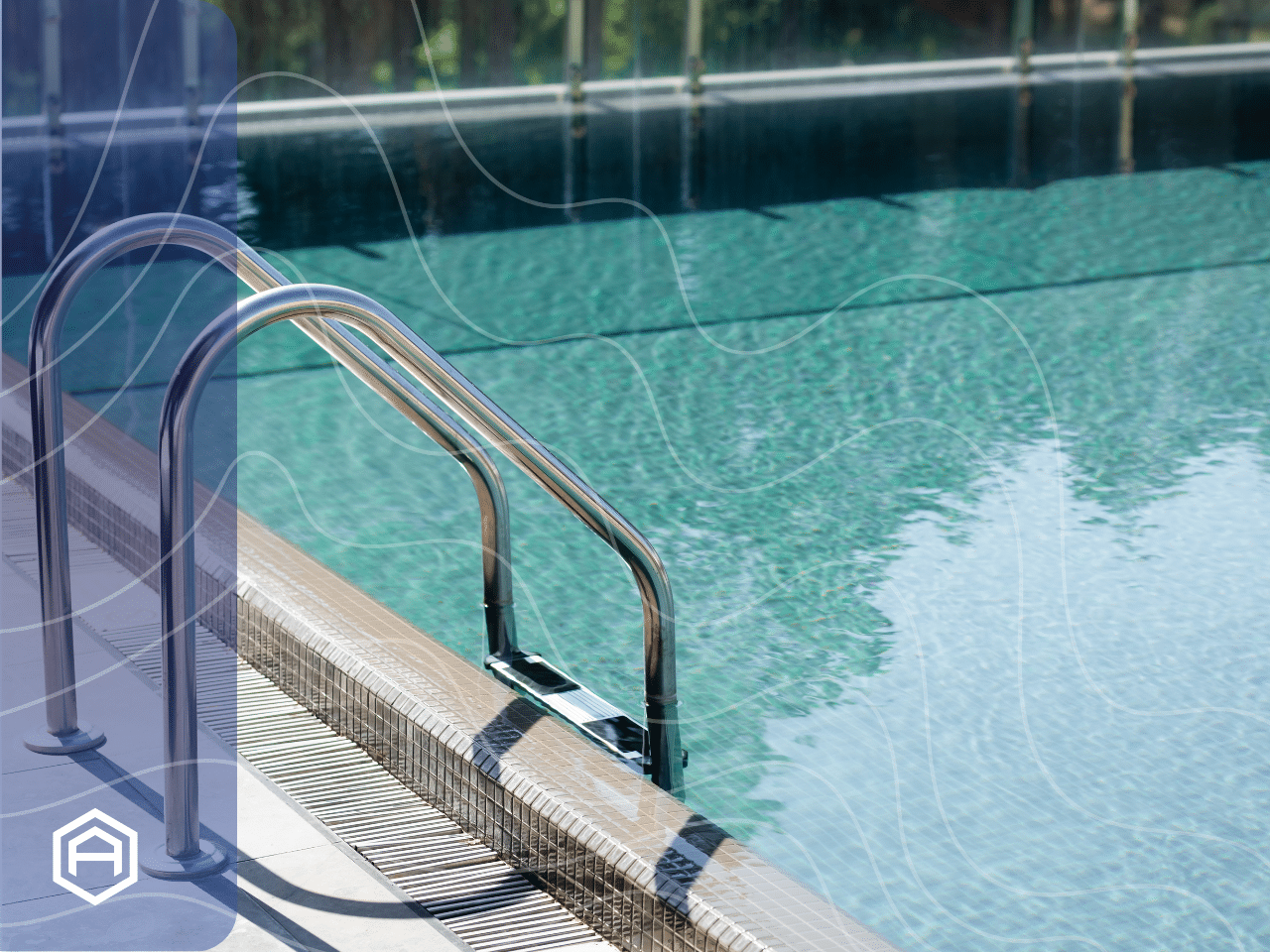
In hot, dry Southern California, where I grew up, there was a swimming pool in my backyard. Most mornings, I would wake and dive in, noting how the water soothed and energized me, clearing my mind, preparing me for the day ahead. Swimming or even treading water or floating had a very deep impact on my sense of wellbeing. In those days, lymphedema was not a condition that I dealt with or even knew of, but I certainly felt the benefit of being in the water.
Years later, I am a Certified Lymphedema Therapist (CLT) and a breast cancer survivor managing my own lymphedema. I’m lucky; mine is well controlled and my management strategies, including compression and multiple forms of exercise, are very effective. But as a provider, many of my patients find benefit when joining me in the water – “Everybody into the Pool!”
The water environment is primal, perhaps sacred; we float in the womb, many religions involve baptism in water after birth. And as all life likely emerged from the water, it is a native environment and it can be soothing to our nervous systems to be immersed. Our bodies are typically between 45 -75% H2O, and simply immersing ourselves in neck-high water can provide multiple significant benefits including to our internal pumping system.
The reasons that immersion in water, particularly deep water, promotes lymphatic flow has to do with the physics of hydrostatic pressure. Our bodies are pressed by the environment, and the water is denser than air, leading to a higher amount of pressure. This external pressure improves the efficacy of the internal structures that may be struggling to keep up with fluid drainage especially in the setting of lymphedema, chronic venous insufficiency (CVI) or another lymphatic dysfunction. The deeper we go, the pressure increases, similarly to the calibrated gradient pressures of our daily compression garments, which provide higher pressure at the wrist or ankle, gradually decreasing proximally or closer to our trunk.
In the pool, we can experience full-body gradient pressure just by standing in deep water and practicing diaphragmatic breathing, allowing the diaphragm to massage the thoracic duct which runs through it and is the main-line back to the blood system. When we add some other exercise…walking laps, treading water, enjoying relaxing “Ai Chi” exercises or similar gentle exercise, we increase the muscle pump and the deep breathing adding to the beneficial effects. The buoyancy of the water, changing the effects of gravity and reducing the stress and strain on joints, can help us feel able to use our bodies with more abandon, but the resistance of the water against every movement increases the effort of the action, and we might not feel that until after completing the exercise session. When “Aquacizing” for the benefit of lymphatic flow, as with any new exercise routine, start slow. Assess your own capacity for this activity before increasing the time and intensity.
With that slow start in mind, I generally do not recommend strenuous swimming such as crawl, side or butterfly stroke or other top-of-the-water activities. Even when patients are very fit, I try to encourage them to bring their bodies deeper into the water, to start with the walking, aqua cycling or neck-deep gentle exercise mentioned above. Swimming requires good core strength and coordination and may be so challenging to a beginner that it actually counteracts some of the benefits to lymphatics that the gentle approach provides. As with land-based exercise, it’s important to honor one’s own current capacity and to take activity increases slowly, noticing how you feel after the exercise. As we all know and get tired of hearing, slow and steady wins the race!
Not everyone has access to a swimming pool or can find the time and finances to visit an aquatic therapy center, and it’s always important to help patients understand what they can do to self-manage their edema issues. In this way, a compression pump is very like a swimming pool and is something that a patient can utilize independently without the supervision of a lifeguard or a skilled provider.
Pneumatic compression pumps (also known as Intermittent Pneumatic Compression devices, Lymphedema Pumps and by many other names), have been used to treat lymphedema for decades, with new features and innovations coming along all the time. These devices allow a lymphedema patient to receive a Manual Lymphatic Drainage-like treatment at home in between visits to their CLT or when in maintenance phase, after finishing Complete Decongestive Therapy (CDT).
This type of pump is a tool for helping a patient move body fluids while passive. There are many versions of these from those that are used for athletic recovery or home self-care massage to some that are used in hospitals to prevent blood clots when a patient is not up and about. The pump garments may have only one chamber to simply squeeze the limb while ones that are FDA approved for the treatment of lymphedema are generally comprised of a machine that is connected and provides inflation to a multi-chambered garment that is worn on the swollen limb and inflated/deflated in a sequence that squeezes the limb to move fluid toward the trunk and out of the limb. In a best-case scenario, these are easy to put on and take off and are activated by simply pushing a button, although some may require some fitting and may require some programming of the machine. Even so, these can provide great help to a patient who is managing lymphedema at home.
The PCD is a lovely way to wind down. While using, one is not able to exercise the treated body part. It’s a good time to relax, practice deep breathing, read or watch television or chat with others. So in this way, it is unlike a pool where one is usually moving…treading water, walking in the water, doing basic ballet-like exercises, or specific aquatic programs like Aqua Lymphatic Therapy, Ai Chi or, for those who are fit enough for a medium intensity exercise, Water Aerobics. What a nice combination these therapies can make to help one maximize their wellbeing, increase their exercise, reduce edema and maintain and improve independence!
So, again, how is a PCD like a swimming pool? It’s a fluid-movement-facilitating environment that can provide assistance in managing lymphedema or CVI, promoting relaxation and improving our outlook, all together supporting well-being. If you have not had a chance to experience the pump, perhaps talk with your CLT or doctor about whether a PCD might be a positive choice for you. If I can be of any support, don’t hesitate to reach out.
Adie MacKenzie, PTA, LMT, CLT-LANA
amackenzie@airosmedical.com