

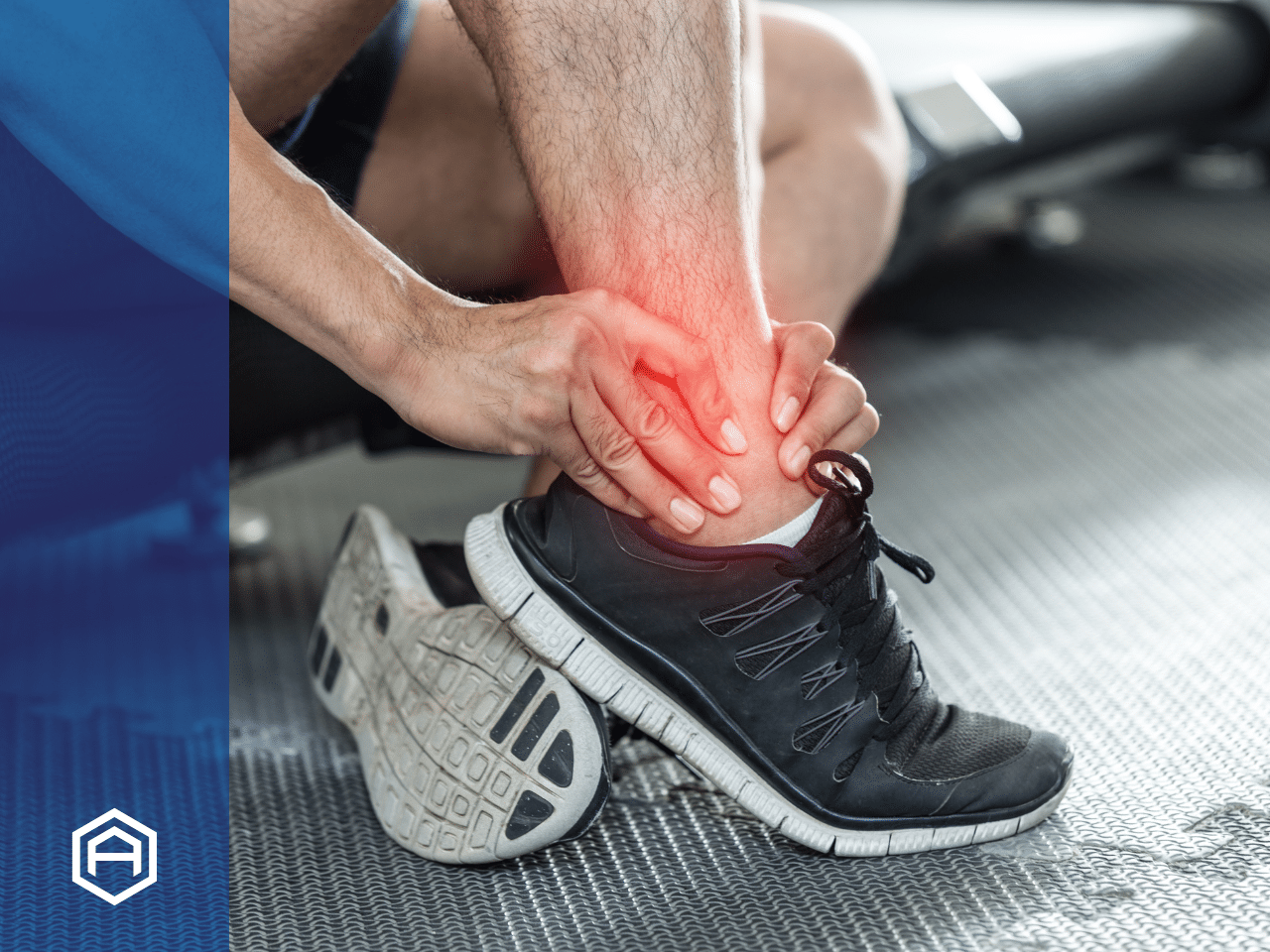
Signs, Symptoms & What to Do Next
Millions of people experience daily leg swelling, heaviness, or aching — often assuming it’s just fatigue or “getting older.” But one of the most important things to understand about Chronic Venous Insufficiency (CVI) is this: no one is immune.
CVI affects people of all backgrounds, lifestyles, and activity levels — which is why awareness and early treatment matter so much.
What Exactly Is CVI?
CVI occurs when the valves in the veins of your legs become weak or damaged. Instead of providing support in preventing blackflow as the blood returns to the hear, blood pools in the lower limbs, causing swelling and pressure in the legs and ankles. Over time, CVI can cause visible skin changes, varicose veins, and even venous ulcers.
According to the National Heart, Lung, and Blood Institute, chronic venous insufficiency develops when leg vein valves don’t function properly, allowing blood to flow backward and collect in the legs.1
Common Symptoms of CVI
You may have CVI if you experience:
- Swelling in the lower legs or ankles, especially at the end of the day
- A feeling of heaviness, tightness, or aching in your legs
- Restless legs or cramping at night
- Itchy, dry, or tight skin around the ankles
- Skin discoloration (dark or reddish patches)
- Varicose veins or bulging veins
- Slow-healing sores or ulcers on the legs
- These symptoms are consistent with clinical descriptions from the American Academy of Dermatology and vascular medicine guidelines.
A Common Condition — Often Overlooked
CVI is one of the most common circulatory disorders. Estimates suggest that up to 25–40 million Americans have chronic venous disease, yet many never receive treatment. The Society for Vascular Surgery notes that chronic venous disease is highly prevalent but frequently underdiagnosed, especially in early stages when symptoms are mild.2
Many people assume the discomfort is just part of aging or weight gain — which is why it often goes ignored for years.
What Causes CVI?
There’s no single cause, but risk factors include:
- A history of blood clots
- Being overweight or obese
- Pregnancy (especially multiple pregnancies)
- Prolonged sitting or standing
- Age over 50
- Family history of vein disease
Major vascular studies, including Eberhardt & Raffetto (Circulation, 2014), identify age, obesity, inactivity, and prior deep vein thrombosis as common contributors to chronic venous disease.3
What Should You Do If You Have Symptoms?
- Schedule a vascular evaluation. A vein specialist or your healthcare provider can do an ultrasound or Doppler test to confirm what’s happening.
- Talk about conservative treatments, such as leg elevation, compression garments, pneumatic compression pumps, walking, and weight management.
- Don’t wait. Untreated CVI can lead to major complications like open ulcers and skin infections. Early intervention keeps you active and protects your mobility.
How Compression Therapy Helps
Compression therapy is one of the most effective non-invasive treatments for CVI. It helps push blood up the legs and reduces swelling. Clinical guidance from the American Venous Forum recommends compression therapy as a first-line treatment for chronic venous insufficiency and venous ulcers.4
Common options include:
- Compression stockings or sleeves
- Pneumatic compression pumps (at-home devices that deliver sequential pressure)
Devices like the AIROS 6P and 8P offer pneumatic compression therapy to help support venous return and reduce lower-limb swelling — and are often covered by Medicare.
Takeaway: Everyone Should Pay Attention
CVI may be common, but it should never be dismissed. If you’re experiencing swelling, heaviness, or skin changes in your legs, talk to a provider or vein specialist — no matter your age or background. As we’ve now seen very publicly, no one is immune — and that’s exactly why awareness, diagnosis, and early treatment are so important.
References:
- National Heart, Lung, and Blood Institute – Chronic Venous Insufficiency Overview
- Society for Vascular Surgery – Chronic Venous Disease Resources
- Eberhardt RT, Raffetto JD. Chronic Venous Insufficiency. Circulation. 2014.
- American Venous Forum – Clinical Practice Guidelines